Tactics, Tech, and Trophies: Deciding the 2026 World Cup Champion
Tactics, Tech, and Trophies: Deciding the 2026 World Cup Champion
As the tournament progresses across the three host nations, it becomes clear that the 2026 FIFA World Cup is breaking new ground in more ways than just its expanded bracket. While the expansion to 48 teams rewritten the physical and organizational scale of the event, the actual product on the pitch is being heavily redefined by a unique combination of innovative high-tech tracking and cutting-edge tactical adjustments.
Teams can no longer rely entirely on traditional structural models. The combination of intense travel schedules across multiple time zones and the immense high-altitude conditions in select host cities has turned squad management into a complex mathematical puzzle. Whichever nation lifts the trophy at MetLife Stadium will need to conquer both the physical opponents and the technological landscape.
1. Connected Ball Tech & Automated Officiating
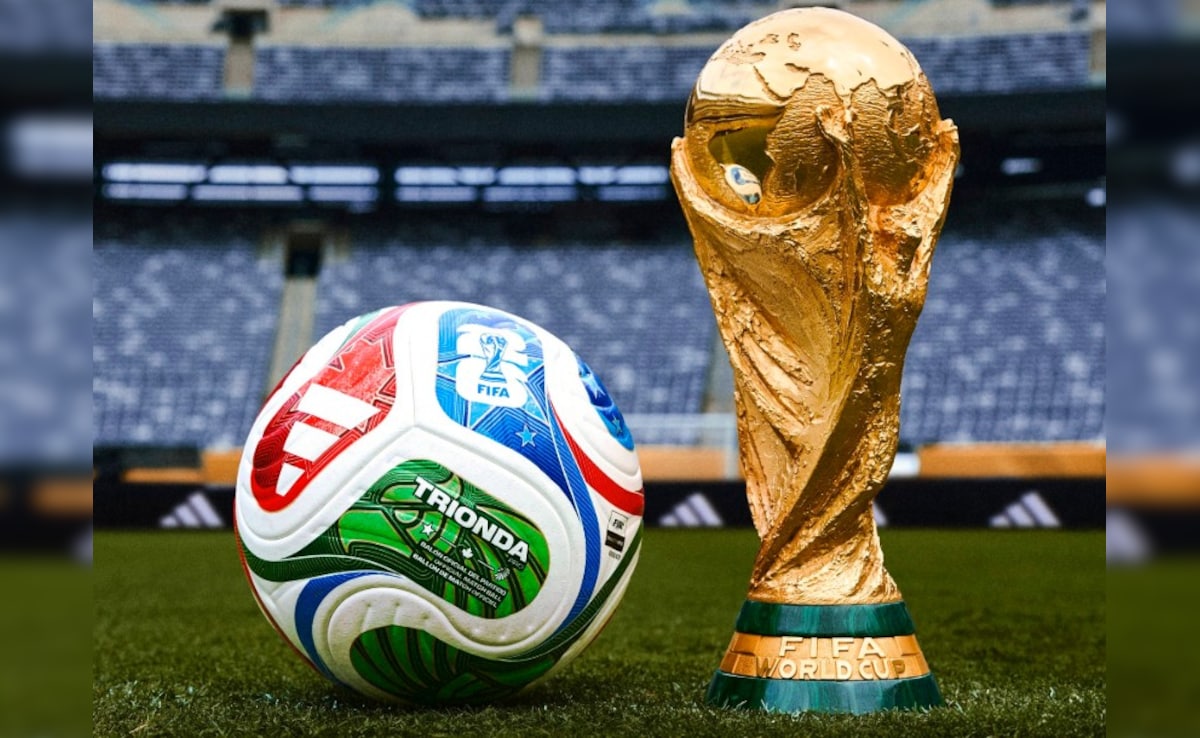
The officiating architecture of modern football takes a giant stride forward in this tournament. Inside the match ball sits an ultra-precise Connected Ball technology system, suspended precisely at the core of the sphere. This system transmits positional data packets hundreds of times per second directly to the localized tracking grid set up in every stadium bowl.
This internal sensor works in tandem with an array of tracking cameras installed beneath the stadium roofs. By combining spatial telemetry with automated skeletal tracking of individual athletes, the VAR (Video Assistant Referee) studio receives real-time alerts for offside positions. This limits agonizingly long multi-minute geometry reviews and provides fans with immediate, clear 3D rendering updates across live broadcasts.
2. Emerging Tactical Archetypes
Because the extended tournament introduces a grueling Round of 32 phase, managers have moved away from continuous, hyper-aggressive heavy-pressing styles. Maintaining a sustained high-intensity block across eight potential matches is a physical impossibility. Instead, we see distinct structural archetypes dominating the technical zones:
The Hybrid Mid-Block
Rather than pressing deeply inside the opponent's defensive third, elite sides are dropping back into structured mid-pitch shapes. This conserves vital respiratory energy while creating lethal transition lanes to strike on the counter-attack.
Asymmetrical Wing Overloads
Teams are deliberately tilting their structural shape to one side of the pitch, dragging defensive structures with them. A sudden cross-field diagnostic pass then frees up isolated wingers to attack space instantly.
3. Elite Contenders & Strategic Frameworks
The expansion reshapes how regional powerhouses approach the initial weeks. Traditional heavyweights don't just focus on winning groups; they actively look to manage yellow cards, rotate squad depth, and minimize overall travel exhaustion to peak precisely when the single-elimination brackets begin.
| National Contender | Core Tactical Engine | Primary Squad Challenge |
|---|---|---|
| European Powerhouses | Positional play, possession retention, technical control | Adapting to extreme mid-day heat and cross-continent jet lag |
| South American Giants | High-speed tactical transitions, creative fluid individual shape | Navigating the depth strain of an extra knockout round |
| Rising Global Dark Horses | Disciplined low-block, high-efficiency set-piece execution | Overcoming the mental hurdle of multi-stage tournament pressure |
4. The Ultimate Destination: MetLife Stadium
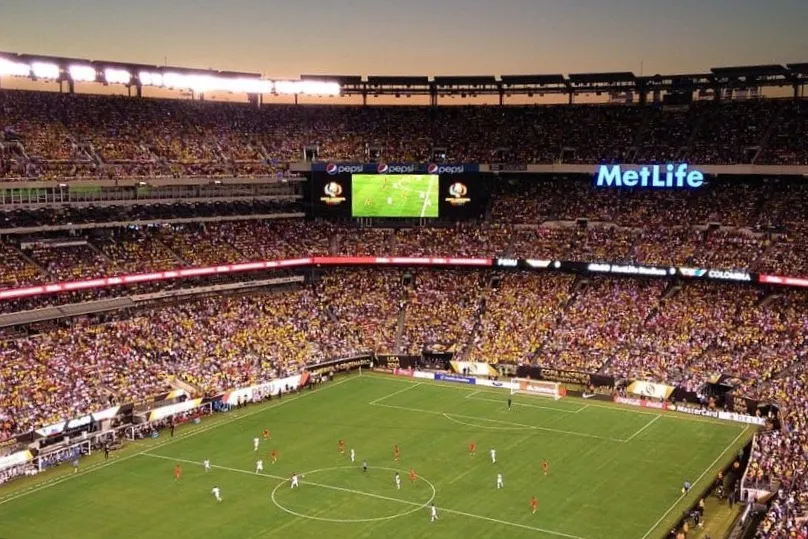
Everything ultimately converges on New York/New Jersey, where the tournament final will settle the historical debate. Preparing an NFL venue for pristine soccer requires lifting the field dimensions and adjusting the layout to accommodate standard pitch width and optimal safety margins.
The combination of structural precision, tactical evolution, and cutting-edge analytical support ensures that this championship path will go down as the most fiercely contested in sports history. The era of the 48-team tournament has officially arrived, and football will never look back.

Post a Comment